Ability Fish in The One Fish
Read the pull before it buffs—or ruins—the whole lobby.
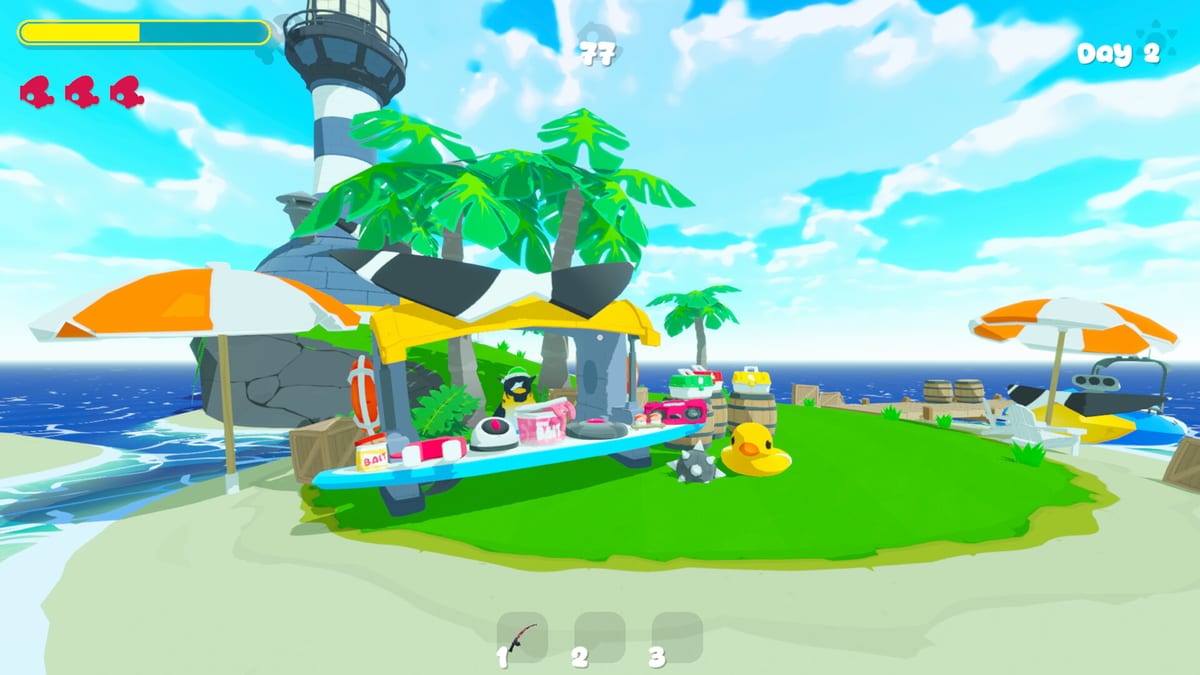
Ability fish are the personality engine of The One Fish. Official text says some fish possess unique abilities that can affect you or all your friends—handy or a huge pain in the fish. This guide teaches a decision framework for those pulls during Steam Early Access.
What makes a fish an “ability fish”
If a catch changes movement, vision, timing, lobby rules, or the feeding situation beyond “add food,” treat it as ability-bearing. You do not need the final buff name on day one; you need a reflex: pause → call → decide.
Decision framework
- Identify using silhouette, color, and VFX (Fish List).
- Call Safe / Hold / Bomb / Buff per Co-op Guide.
- Check appetite via How to Feed. Hungry creature + unknown ability = prefer safe food first.
- Commit or defer. Deferring is allowed; panic casting is not.
- Log the outcome in the Fish Checklist.
Helpful versus harmful
Marketing promises both. Helpful abilities might speed clears or protect haulers; harmful ones include explosive comedy like bomb fish. Dangerous Fish tracks the pain cluster. Best Co-op Fish tracks the helpful cluster as evidence arrives.
Teaching new players
Run a deliberate “ability clinic”: one spicy fish at a time in a controlled session, optionally after a Chill Mode warm-up. Explain that rarity alone does not mean ability (Rarities.
Biome context
New biome maps increase mis-IDs. Slow down on first visits (Biomes and Maps). Ability literacy is map literacy.
Early Access flux
As re:try adds fish and modifiers, abilities will multiply. Follow Updates and revise callout cards. Do not ossify a week-one myth into a month-three rule.
Ability fish turn The One Fish from “catch numbers” into “catch stories.” Respect the pause—and your friends’ ears.
Building a pocket reference card
Make a one-screen card with five columns: fish, self/party target, helpful or harmful, hunger rule, and veto owner. Print it or pin it. Update only after two corroborating sessions so one unlucky clip cannot rewrite doctrine. Teach newcomers to read the card before they chase highlight fish. If an ability is unclear, mark “unknown—Hold” rather than guessing buff. Unknown plus hunger equals safe food elsewhere. Clarity beats bravado when the whole lobby shares consequences.
Confidence scores beat binary myths
Rate each ability claim from 1–5 confidence based on how many sessions confirmed it. Hide claims below 3 from public Discord pins. Rising scores become teaching tools; frozen low scores become research quests. This stops one dramatic clip from becoming false gospel for the whole stack.
Solo practice that still respects party truth
Solo sessions are perfect for learning tells, but remember party-targeting abilities will feel different with friends online. After a solo discovery, schedule a two-person validation before teaching a five-stack. Note both contexts in your checklist row: “solo tell clear / party effect unproven.” That dual notation stops false confidence from lonely practice. Cross-check hunger interactions using How to Feed The One Fish whenever an ability seems stronger only because the creature was calm.
Pocket card print day
Once a month, print or screenshot the five highest-confidence ability rows and tape them near your monitor. Physical reminders beat buried spreadsheet tabs when a spicy fish hits during a loud night. Retire printouts when patch notes land so you are not obeying ghosts.
Frequently Asked Questions
Quick answers for The One Fish players.
Do all fish have abilities?
No. Official notes say some fish have abilities that affect gameplay, alongside a wider roster of unique catches.
Can abilities hit the whole party?
Yes. Store copy states effects can impact you or all your friends.
What is an example of a dangerous ability fish?
Marketing highlights bomb fish as an explosive contrast to harmless clownfish-style catches.